
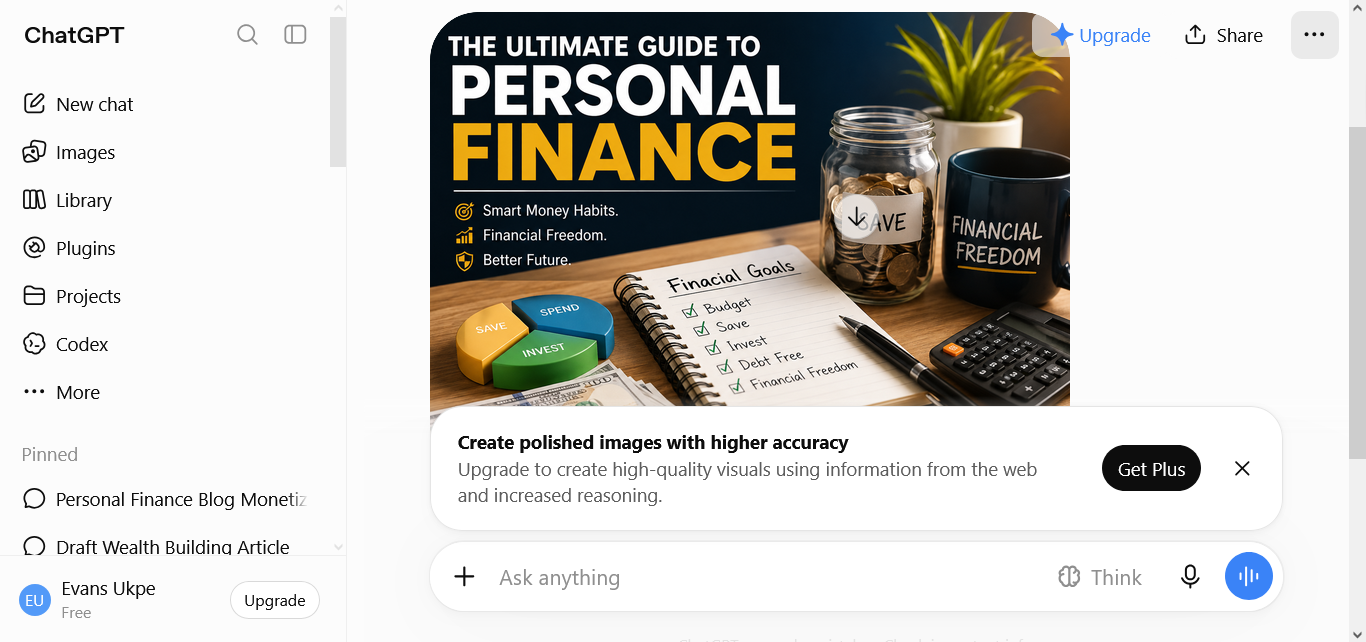
The Ultimate Guide to Personal Finance for Beginners
Managing money effectively is one of the most important skills you can develop. Whether you are starting your first job, building savings, or trying to get out of debt, understanding personal finance for beginners can help you make smarter financial decisions and achieve long-term financial security. The ultimate guide to personal finance for beginners, help the readers to know how to manage their money.
What Is Personal Finance?
Personal finance refers to how you manage your money, including your income, expenses, savings, debt, investments, and financial goals. Good personal finance is not about earning a huge salary; it is about making the most of the money you have.
The first step is to understand exactly where your money goes each month. Track your income and expenses and identify areas where you may be spending unnecessarily. The ultimate guide to personal finance for beginners.
Create a Realistic Budget
A personal finance budget gives you a clear plan for managing your income. List essential expenses such as housing, food, transportation, utilities, and debt payments. Then allocate money toward savings and other financial goals.check out my previous post on ” the guide to building wealth ,strategies for long-term financial success”
A simple budgeting approach is to divide your income between needs, wants, and savings. Adjust the percentages according to your income and circumstances rather than following a rigid formula.
Build an Emergency Fund
An emergency fund can protect you from unexpected expenses such as medical bills, repairs, or loss of income. Start by saving a small amount consistently and gradually work toward building several months of essential expenses.
Keep emergency savings somewhere accessible and separate from your everyday spending account.The ultimate guide to personal finance for beginners.
Manage and Reduce Debt
Debt can make it difficult to achieve financial freedom. Pay at least the required minimum on all debts and consider directing extra money toward high-interest debt first. Avoid taking on unnecessary debt, particularly for purchases that do not improve your long-term financial position.http://blogger.com,http://amazon.com/p,http://issuu.com,http://medium.com
Start Saving and Investing
Saving money provides short-term financial security, while investing can help build long-term wealth. Once you have established basic savings and have a manageable debt situation, learn about investment options such as stocks, bonds, mutual funds, or other suitable investments.
Before investing, understand the risks and choose investments that match your financial goals and risk tolerance.
Set Financial Goals
Successful money management starts with clear goals. Your goals might include saving for education, buying a home, starting a business, preparing for retirement, or achieving financial independence.
Make your goals specific, measurable, and realistic. Review your progress regularly and adjust your plan when your circumstances change.The ultimate guide to personal finance for beginners
Final Thoughts
Personal finance does not have to be complicated. By creating a budget, building an emergency fund, managing debt, saving consistently, and learning how to invest, beginners can take control of their financial future. Start with small, practical steps today and build better money habits over time.
Keywords: personal finance for beginners, personal finance, money management, budgeting, saving money, emergency fund, debt management, investing for beginners, financial freedom.
Leave a Reply